Surveys

All domestic and commercial buildings require an EPC prior to marketing. These are valid for 10 years. Harwoods can produce EPCs for residential and commercial properties and give advice on improvements that can be made to save energy and reduce costs.
An Energy Performance Certificate (EPC) provides information about a building's energy efficiency and estimated energy costs. It rates a building from A (very efficient) to G (very inefficient). EPCs also offer recommendations on how to improve the building's energy performance, along with estimated costs and potential savings.
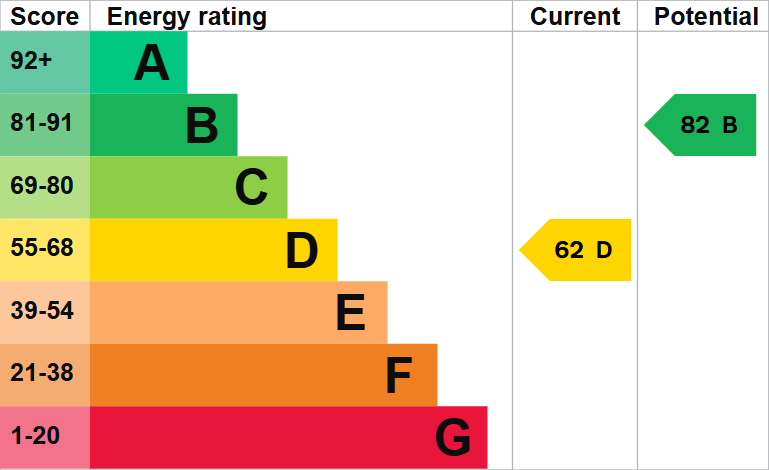
A letter grade (A-G) based on the building's energy performance, with A being the most efficient and G the least.
An estimate of how much it costs to heat, light, and power a property.
Suggestions on how to improve energy efficiency, such as replacing light bulbs, upgrading insulation, or installing solar panels.
An estimate of the potential annual savings that could be achieved by implementing recommended improvements.
An EPC is valid for 10 years from the date it was issued.
